
ANC and ENC appear on almost every pair of wireless earbuds and headphones sold today. They are almost always listed together in marketing copy. And almost every buyer assumes they do the same thing.
They do not. Understanding the difference is probably the single most useful thing you can learn before buying wireless audio gear.
What ANC Does: Noise Cancellation for Your Ears
Active Noise Cancellation (ANC) is technology that reduces the ambient noise you hear when wearing headphones or earbuds. It uses microphones on the outside of the device to detect incoming sound waves, then generates an opposing “anti-noise” signal that cancels those waves before they reach your ears.
The result: you hear less of the world around you. A noisy open office becomes quieter. Airplane cabin drone reduces to near-silence. Street noise, HVAC hum, keyboard clatter — all reduced.
ANC is entirely about your listening experience. The person you are talking to on a call cannot tell whether your ANC is on or off. It has zero effect on your microphone output.
What ENC Does: Noise Cancellation for Your Microphone
Environmental Noise Cancellation (ENC) — also called microphone noise cancellation or CVC (Clear Voice Capture) depending on the brand — reduces the background noise that your microphone picks up during calls.
ENC uses microphone array processing and digital signal processing to identify your voice versus background noise, then filters out the background before transmitting your audio to the person you are calling.
The result: the person on your call hears your voice more clearly and less of your environment. The coffee shop noise, typing sounds, traffic, kids in the background — ENC reduces all of this in your outgoing audio signal.
ENC is entirely about your microphone output. It has zero effect on what you hear.
The Key Difference in One Sentence
ANC protects your ears from the world. ENC protects your calls from the world.
They solve completely different problems. A pair of headphones with excellent ANC but no ENC will sound wonderfully quiet to you while making you sound terrible on calls. A pair with excellent ENC but no ANC will make your calls crystal clear while you still hear everything around you.
The best headphones and earbuds for work and daily use have both.
How ANC Technology Works
There are three main implementations of ANC:
Feedforward ANC: The microphone is placed on the outside of the ear cup or earbud. It samples incoming noise before it enters the ear canal and generates the anti-noise signal. Fast response, but cannot adapt to sounds that have already entered the ear canal.
Feedback ANC: The microphone is placed inside the ear cup or earbud, close to your ear. It monitors the sound that has already passed the driver and adjusts continuously. More precise but slightly slower response.
Hybrid ANC: Uses both an outer and inner microphone simultaneously. The outer mic samples incoming noise, the inner mic monitors what reaches your ear and fine-tunes the cancellation. Hybrid ANC provides the most complete noise cancellation across the widest frequency range. The Groove Pro and Groove Buds both use Hybrid ANC.
How ENC Technology Works
ENC typically uses a multi-microphone array — two or more microphones positioned to capture your voice from different angles. By comparing what each microphone hears, the processing algorithm identifies which sounds come from close range (your voice) versus distant range (background noise) and filters accordingly.
More sophisticated ENC implementations use machine learning models trained on thousands of voice and noise samples to identify and suppress specific noise types. The Groove Pro uses dual-mic ENC with AI-enhanced processing for clear voice transmission even in active environments.
Real-World Scenarios: Which You Actually Need
| Scenario | You Need | Why |
|---|---|---|
| Commuting on a train | ANC | Block cabin noise for listening |
| Video calls from home | ENC | Colleagues hear you, not your kitchen |
| Working in an open office | Both | Focus + clear calls simultaneously |
| Gym and workouts | Neither essential | Safety: keep some ambient awareness |
| Flying long haul | ANC | Eliminate cabin drone fatigue |
| Remote work all-day | Both | All-day comfort + professional calls |
What to Look for When Buying
ANC quality metrics: Measured in decibels of attenuation. Basic ANC offers 20 to 25dB reduction. Quality ANC (like the Groove Pro's Hybrid ANC) delivers up to 38dB — enough to make a loud coffee shop feel like a quiet library.
ENC quality signals: Harder to quantify from specs alone. Look for “dual-mic ENC,” “AI noise suppression,” or “CVC 8.0” as indicators of more sophisticated processing. User reviews mentioning call quality are often the most reliable indicator.
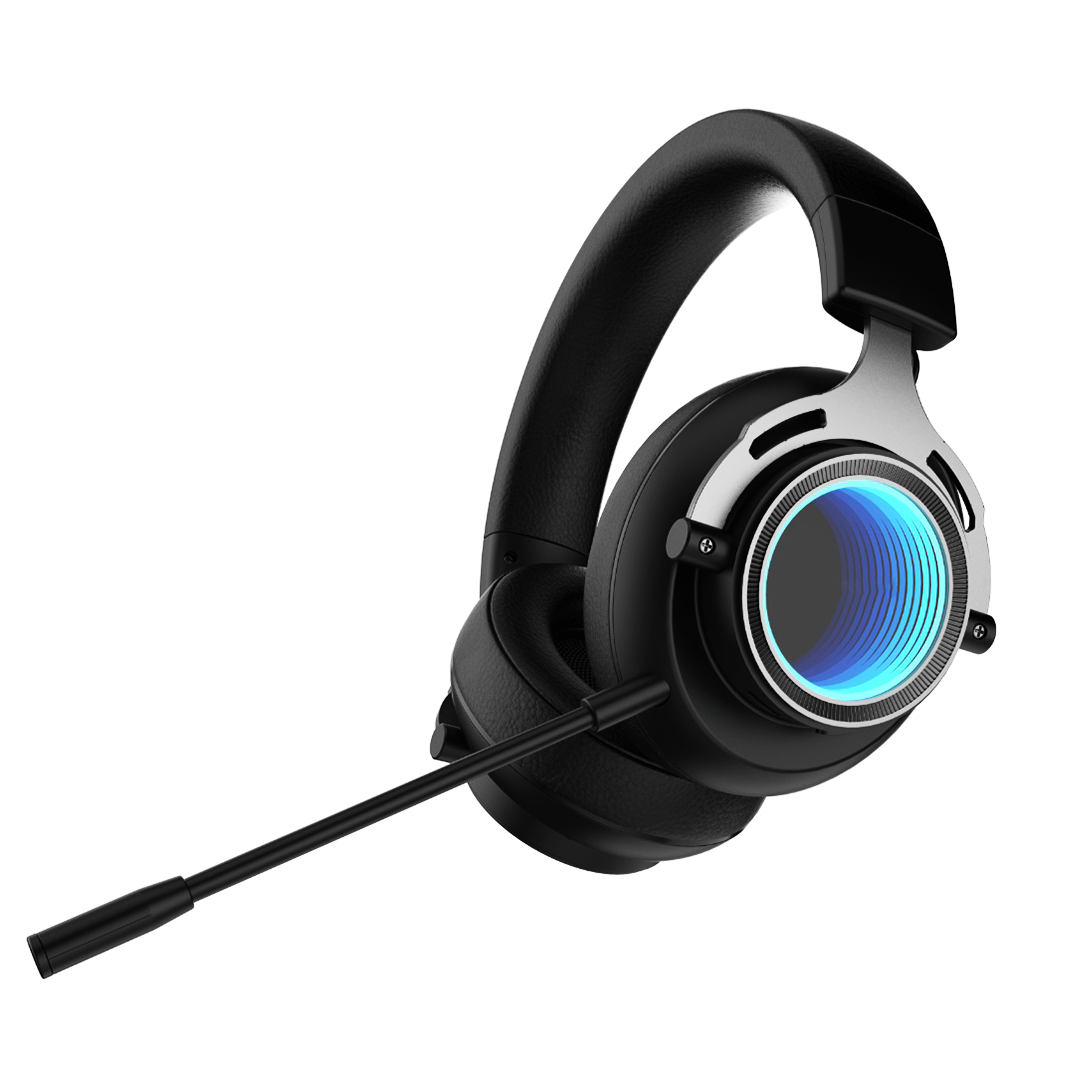
Both in one: The Groove Pro wireless headphones and Groove Buds earbuds both include Hybrid ANC (up to 38dB) and dual-mic ENC, covering both use cases in one device.
Shop Groove Pro — 38dB Hybrid ANC + Dual-Mic ENC →
Shop Groove Buds — ANC + ENC Earbuds →
Common Misconceptions
“Better ANC means better call quality.” No. ANC and call quality are completely independent. Excellent ANC headphones with poor microphone design will sound great to you and terrible to callers.
“ENC means I don't need to find a quiet space for calls.” ENC reduces background noise significantly but is not a magic solution for extremely loud environments. Very loud, variable noise (like a crowded bar) will still bleed through. ENC works best at reducing consistent moderate background noise.
“Transparency mode is the same as turning ANC off.” Not exactly. Transparency mode actively amplifies outside sound through the speakers to let you hear your environment while still wearing earbuds. Turning ANC off simply removes the cancellation processing without amplification.
Read More from The Geek Blog
- What is Hybrid ANC and Why Does It Matter? →
- Best Wireless Headphones for Working From Home →
- Wireless Earbuds vs Headphones →
- Wireless Audio Guide →
Frequently Asked Questions
What is the main difference between ANC and ENC?
ANC (Active Noise Cancellation) reduces the noise you hear by generating anti-noise through the speakers. ENC (Environmental Noise Cancellation) reduces the background noise your microphone picks up during calls. ANC improves your listening experience. ENC improves what others hear when you speak. They solve completely different problems.
Do I need both ANC and ENC?
If you primarily commute or travel, ANC alone is often sufficient. If you primarily make calls, ENC is the priority. If you work remotely, commute, and take calls regularly — you want both. Most quality wireless headphones and earbuds designed for daily work use now include both.
Does turning ANC on affect how I sound on calls?
No. ANC affects only what you hear through the speakers. It has no effect on your microphone signal. Your callers cannot tell whether your ANC is on or off.
What is Hybrid ANC?
Hybrid ANC uses two microphones — one on the outside and one inside the ear cup — to cancel noise from two directions simultaneously. It provides more complete noise cancellation across a wider frequency range than single-microphone ANC designs. The Groove Pro delivers up to 38dB of attenuation using Hybrid ANC.
Can ENC completely eliminate background noise on calls?
ENC significantly reduces background noise but does not eliminate it entirely. It is most effective against consistent moderate-level background noise — HVAC, office chatter, traffic. Very loud or highly variable environments (crowded bars, construction) will still partially bleed through. Finding a reasonably quiet space remains the best ENC complement.
What does “dB attenuation” mean for ANC?
Decibel (dB) attenuation measures how much the ANC reduces incoming noise. A 20dB reduction makes a sound appear four times quieter to human perception. A 38dB reduction — like the Groove Pro — makes a loud office feel almost silent. Higher dB numbers indicate more effective noise cancellation.